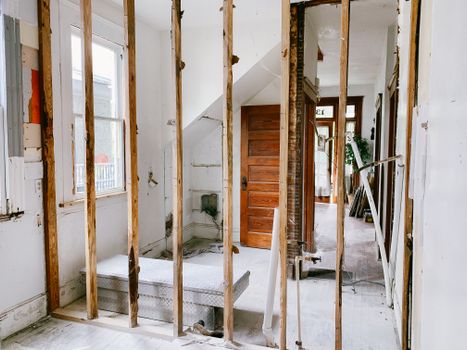
Done right, a renovation adds value and joy; done wrong, it’s a money pit with a six-month timeline. This guide breaks down read a Contractor Quote (Line by Line) in plain terms — what matters, the real trade-offs, and how to act on it with confidence.
Scope discipline beats splurging, vetting your contractor beats chasing the lowest bid, and a 15–20% buffer beats a nasty surprise. Decide what the project is for before you start, and the budget follows.
What to expect before you start
Every successful project begins on paper, not with a sledgehammer. Define the scope, the must-haves versus nice-to-haves, and a realistic budget with a contingency before you call a single contractor.
Set expectations for disruption, too. Even a well-run project means dust, noise, and decisions — lots of them — so build in time and patience alongside the money.
Knowing the typical sequence helps you plan: design and permits, demolition, rough-in for the trades, inspections, then finishes and the final punch list. Skipping ahead is how budgets and timelines unravel.
Where the money actually goes
Labor is usually the largest line item, often 40–60% of a project, which is why scope discipline matters more than splurging on a single fancy finish. Materials, permits, and the inevitable surprises fill out the rest.
Allowances in a quote (for tile, fixtures, or cabinets) are common places for costs to creep. Pin down real selections early so your budget reflects what you’ll actually buy, not a placeholder number.
Hold back 15–20% of your total as a contingency — more for older homes, where opening a wall can reveal outdated wiring, plumbing, or water damage that has to be fixed before the fun part begins.
ROI and resale impact
Most projects return only part of their cost at resale, and that’s fine if you’ll enjoy the result for years. The highest-recouping work is consistently exterior and first-impression — curb appeal, entry and garage doors, minor refreshes.
Big, personalized interior remodels recoup the least because buyers won’t pay full price for your specific taste. If resale is near, weight your budget toward broadly appealing improvements over luxury statements.
Run the numbers before you commit: a project that costs more than it adds isn’t “adding value,” it’s buying enjoyment — a perfectly good reason to do it, as long as you know that’s the trade.
DIY or hire a pro?
Cosmetic work — painting, hardware, simple fixtures — is where DIY saves the most with the least risk. The savings shrink fast once a job touches structure, electrical, plumbing, or anything requiring a permit and inspection.
When you do hire, vet carefully: confirm licensing and insurance, check references and recent work, and get detailed written bids so you’re comparing the same scope across contractors.
Be honest about time, tools, and skill. A botched DIY job that a pro has to redo costs more than hiring out from the start, and some work is genuinely unsafe to attempt without training.
Mistakes that cost time and money
Finally, don’t chase the lowest bid blindly. A quote that’s far below the others usually signals missing scope, thin materials, or a surprise waiting in a change order.
The classics: skipping permits, underestimating the timeline, and making selections too late, which stalls the crew and triggers change orders — the most expensive words in any renovation.
Over-customizing is another trap. Bold, niche choices feel exciting now but can shrink your buyer pool later, so save the most personal statements for a home you plan to keep.
Where to go from here
For the complete picture, read our Renovation guide, then put the numbers to work with the free Renovation ROI Calculator. Both are built to be genuinely useful — no sign-up, no spam.
Market figures referenced across SmarterSquares draw on public research datasets — local price-per-square-foot and typical home values from Realtor.com and Zillow research, and published national cost-vs-value remodeling benchmarks. Ranges in this guide are representative national figures, not quotes. How we research, fact-check, and update content is described in our Editorial Policy. Estimates are for orientation — not an appraisal or professional advice.