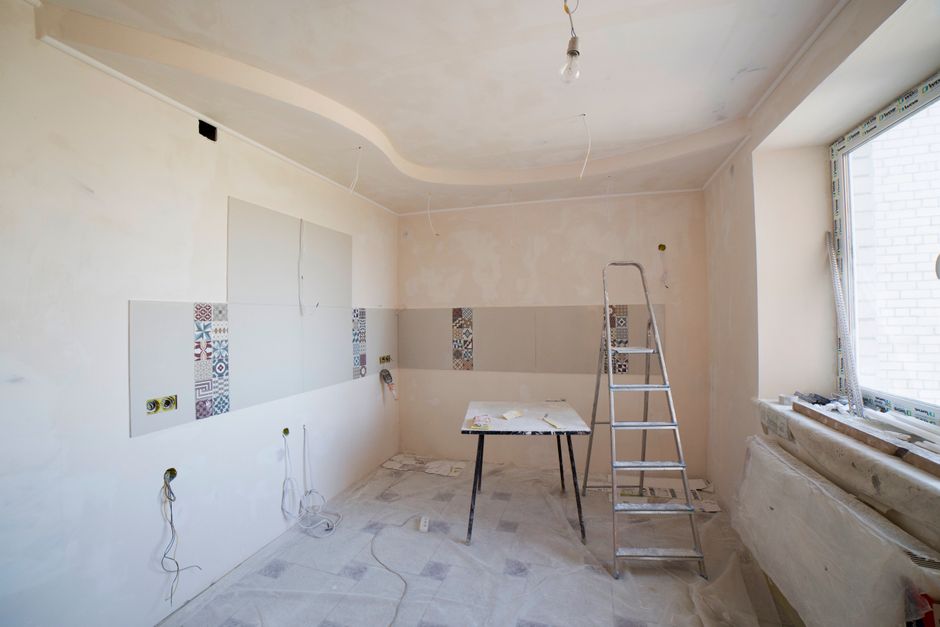
Almost every renovation horror story starts the same way: an exciting idea, a fuzzy budget, and a "we'll figure it out as we go." The antidote isn't pessimism — it's a plan with real numbers and a generous cushion. Let's build one.
How to budget a renovation without overspending
The golden rule: decide your number before you fall in love with finishes, and protect a 15–20% contingency you pretend doesn't exist. Renovations almost always uncover surprises — old wiring, hidden water damage, a wall that turns out to be load-bearing — and the contingency is what keeps a surprise from becoming a crisis.
A simple budgeting framework
- Set a hard ceiling tied to your home's value — generally, don't sink more than 10–15% of your home's worth into a single room.
- Get three real quotes, not one. Prices for the same job vary wildly.
- Separate "needs" from "nice-to-haves" so you can trim from the bottom if costs climb.
- Hold back 15–20% for the unexpected. If you don't use it, great — that's your celebration fund.
Your budget isn't the quote — it's the quote plus a contingency plus the things quotes forget (permits, dumpsters, eating out while the kitchen's gone). Plan for the whole experience, not just the build.
Which projects actually pay back
This is the question that should drive every renovation decision. The pattern is consistent across years of resale data: modest, broadly-appealing improvements beat luxury ones, and exterior/first-impression work beats almost everything. We go deep on this in our breakdown of which renovations actually add value, but the short version:
- High ROI: curb appeal, garage and entry doors, minor kitchen/bath refreshes, energy efficiency.
- Middling ROI: major kitchen and bath remodels, deck additions, finished basements.
- Low ROI: pools, sunrooms, high-end upgrades that outpace the neighborhood.
None of this means "never renovate for yourself." If you'll enjoy a project for ten years, the ROI math matters less. Just know which kind of decision you're making. And remember it all ladders up to your home's overall value.
DIY vs. hiring a contractor
The "true cost" of DIY isn't just materials — it's your time, the tools you'll buy once, and the risk of redoing it. DIY shines for cosmetic, low-stakes work: painting, hardware, simple landscaping. Hire out anything involving electrical, plumbing, structure, or permits, where a mistake is expensive or dangerous.
A good rule: DIY what's reversible and visible; hire out what's hidden and hazardous. The most expensive renovation is the one you do twice.
Finding and vetting a contractor (without getting burned)
The contractor you choose matters more than almost any finish. Get multiple bids, check that they're licensed and insured, read recent reviews, and — most importantly — talk to two or three past clients. A clear written contract with a payment schedule tied to milestones (never a big deposit up front) protects everyone.
- Verify license and insurance before money changes hands.
- Get everything in writing: scope, materials, timeline, payment milestones.
- Avoid the lowest bid reflexively — it's often the most expensive in the end.
- Trust your gut on communication. How they bid is how they'll build.
Once you've planned the budget and picked your team, map the schedule with realistic stages. Renovations almost always take longer than the optimistic version in your head.