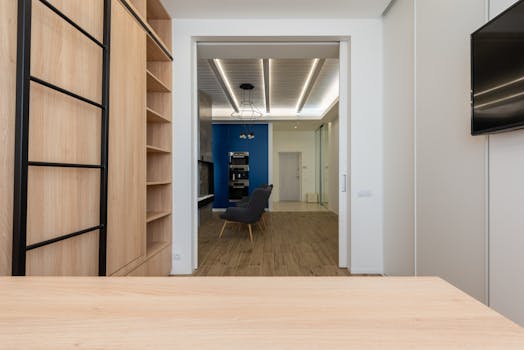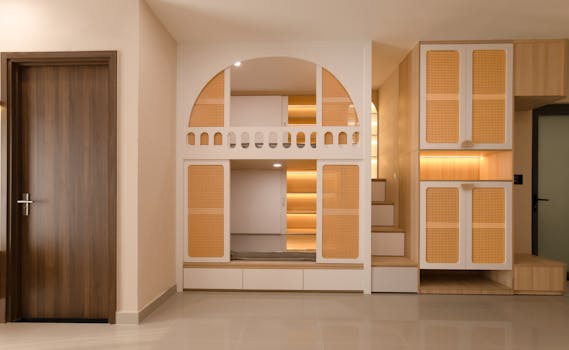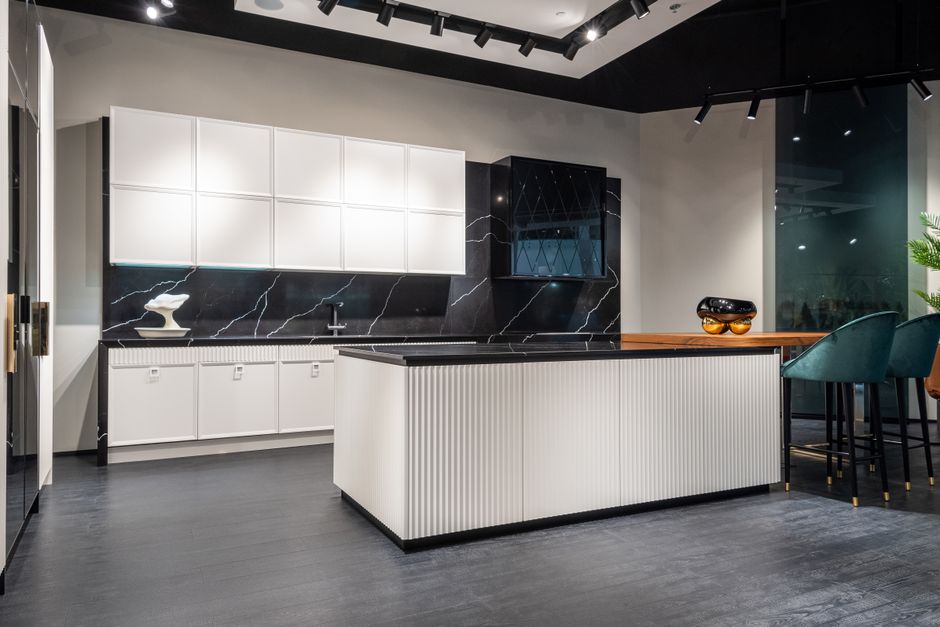
The difference between a room that works and one that feels “off” usually comes down to a few design fundamentals. This guide breaks down small Kitchen Storage Ideas That Actually Help in plain terms — what matters, the real trade-offs, and how to act on it with confidence.
Decide what the room should do, commit to a simple palette, layer your lighting, and size your rug correctly — four moves that fix most rooms. Beauty follows function, not the other way around.
Start with the goal of the room
A room without a clear purpose tends to collect mismatched pieces and never quite feels finished. Naming the feeling you’re after turns vague “I don’t like it” into specific, fixable choices.
Think about how the room is really used, not how it looks in a catalog. Designing around your actual routines is what makes a space both beautiful and genuinely livable.
Before you pick a color or buy a single piece, decide what you want the space to do — feel bigger, calmer, cozier, more functional. Every good design decision flows from that goal.
The design principles at work
Layered lighting — ambient, task, and accent — transforms a room more than most furniture. Flat, single-source light is the most common reason a nicely furnished space still feels cold.
Color sets the mood faster than anything else: light, cool tones open a room up, while deep, warm tones draw it in and make it feel intimate. Commit to a simple palette and let one color lead.
Balance, scale, and proportion do the quiet heavy lifting. Furniture sized to the room, a mix of heights, and a little breathing space keep a space from feeling cramped or sparse.
How to do it on any budget
Spend where it counts and save where it doesn’t. Invest in the pieces you touch and use daily, and go thrifty on trend-driven accents you’ll happily swap in a couple of years.
Shopping secondhand stretches a budget and adds character a showroom can’t. Mixing a few quality vintage finds with newer basics reads as collected and intentional rather than catalog-ordered.
Some of the highest-impact changes are also the cheapest: fresh paint, swapped hardware, better lighting, and a properly sized rug can remake a room for a few hundred dollars.
Renter-friendly options
You don’t need to own to live well. Removable wallpaper, peel-and-stick tile, leaning art, and plug-in lighting transform a rental with zero risk to your deposit.
Focus on the reversible, high-impact layers — textiles, rugs, lighting, and plants — that move with you. They do most of the visual work without a single nail in the wall.
Storage and layout cost nothing to rethink. Reorganizing a room around how you use it often does more than any purchase, and it travels to your next place.
Mistakes to avoid
Pushing all the furniture against the walls is another reflex to resist; floating pieces and creating zones makes even a small room feel more considered and inviting.
The most common misstep is a rug that’s too small — it makes everything around it feel disconnected. When in doubt, size up so the front legs of your furniture sit on it.
Lastly, don’t rely on a single overhead light or over-match everything. A little contrast in texture, height, and finish is what gives a room depth and warmth.
Where to go from here
For the complete picture, read our Interior Design guide, then put the numbers to work with the free Color Visualizer. Both are built to be genuinely useful — no sign-up, no spam.
Market figures referenced across SmarterSquares draw on public research datasets — local price-per-square-foot and typical home values from Realtor.com and Zillow research, and published national cost-vs-value remodeling benchmarks. Ranges in this guide are representative national figures, not quotes. How we research, fact-check, and update content is described in our Editorial Policy. Estimates are for orientation — not an appraisal or professional advice.