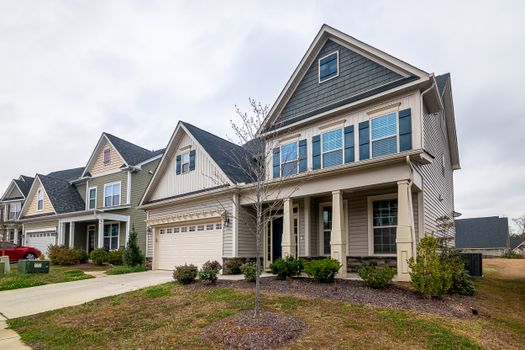
Understanding your home’s value isn’t about chasing one perfect number; it’s about reading the forces behind it. This guide breaks down neighborhood Price Ceiling in plain terms — what matters, the real trade-offs, and how to act on it with confidence.
You can’t move your house to a better ZIP code, but you control roughly half of what a buyer prices in. Spend there — on condition, function, and first impressions — and weigh every decision against recent local comps.
Why this matters for your home’s value
Home value is less a fixed fact and more a moving negotiation between data and reality. Buyers are quietly asking one question — “what would it cost me to get something like this, somewhere like this, right now?” — and everything else is detail.
It’s easy to fixate on a single online estimate, but value is shaped by a handful of factors working together. Knowing which ones you control — and which you don’t — changes how you spend and when you act.
The reason this topic deserves your attention is simple: small misunderstandings compound into large dollar figures at closing. Getting the fundamentals right protects you whether you’re buying, selling, refinancing, or just planning ahead.
The factors that move the number
Location leads every list: school district, commute, walkability, and the street itself set a ceiling you can’t renovate your way past. After that comes condition, usable square footage, and a smart, broadly appealing layout.
Condition and “deferred maintenance” quietly subtract value because buyers mentally tally the cost of every visible problem — then add a penalty for worry. A home that lets a buyer exhale and move in almost always commands more.
The wider market matters too. Interest rates and local inventory can swing values several percent in a year without you touching a thing, which is why timing and recent comparable sales carry so much weight.
Real numbers to anchor on
Anchor every estimate to recent comparable sales within a few blocks rather than a single algorithm. Automated estimates are a useful starting point but are blind to your new kitchen, your cracked foundation, and hyper-local quirks.
As a rule of thumb, the highest-return improvements are unglamorous: curb appeal, a clean and updated entry, and minor kitchen or bath refreshes routinely recoup most or all of their cost. Big, personalized projects recoup far less.
Keep the three “values” straight: market value is what a buyer will actually pay, appraised value is one expert’s lending opinion, and assessed value mostly drives your tax bill. Only the first one matters at sale.
Common mistakes to avoid
Relying on a single online “estimate” to set an asking price is another trap. Treat it as one data point, weigh it against real comps, and bring in a professional opinion before any decision with money on the line.
The most expensive mistake is over-improving past your neighborhood’s ceiling — if your home becomes the most expensive on the block, the market quietly clips your return no matter how nice the finishes.
Finally, don’t ignore the boring stuff — roof, systems, and inspection-ready basics. They rarely add flashy value, but their absence subtracts a lot and can sink a deal late.
What renters and future buyers can do
This isn’t only an owner’s topic. If you rent, “value” means getting the most living out of your space and your lease — and learning to read a market so you’re a sharper buyer later.
Future buyers gain the most from understanding value early: learn to read comps, get pre-approved before you shop, and budget for the unglamorous costs like inspection, closing, and a maintenance cushion.
Wherever you are on the path from renting to owning, the principle holds — make the most of every square you’ve got, and let knowledge be your best defense against overpaying.
Where to go from here
For the complete picture, read our Home Value guide, then put the numbers to work with the free Home Value Estimator. Both are built to be genuinely useful — no sign-up, no spam.
Market figures referenced across SmarterSquares draw on public research datasets — local price-per-square-foot and typical home values from Realtor.com and Zillow research, and published national cost-vs-value remodeling benchmarks. Ranges in this guide are representative national figures, not quotes. How we research, fact-check, and update content is described in our Editorial Policy. Estimates are for orientation — not an appraisal or professional advice.